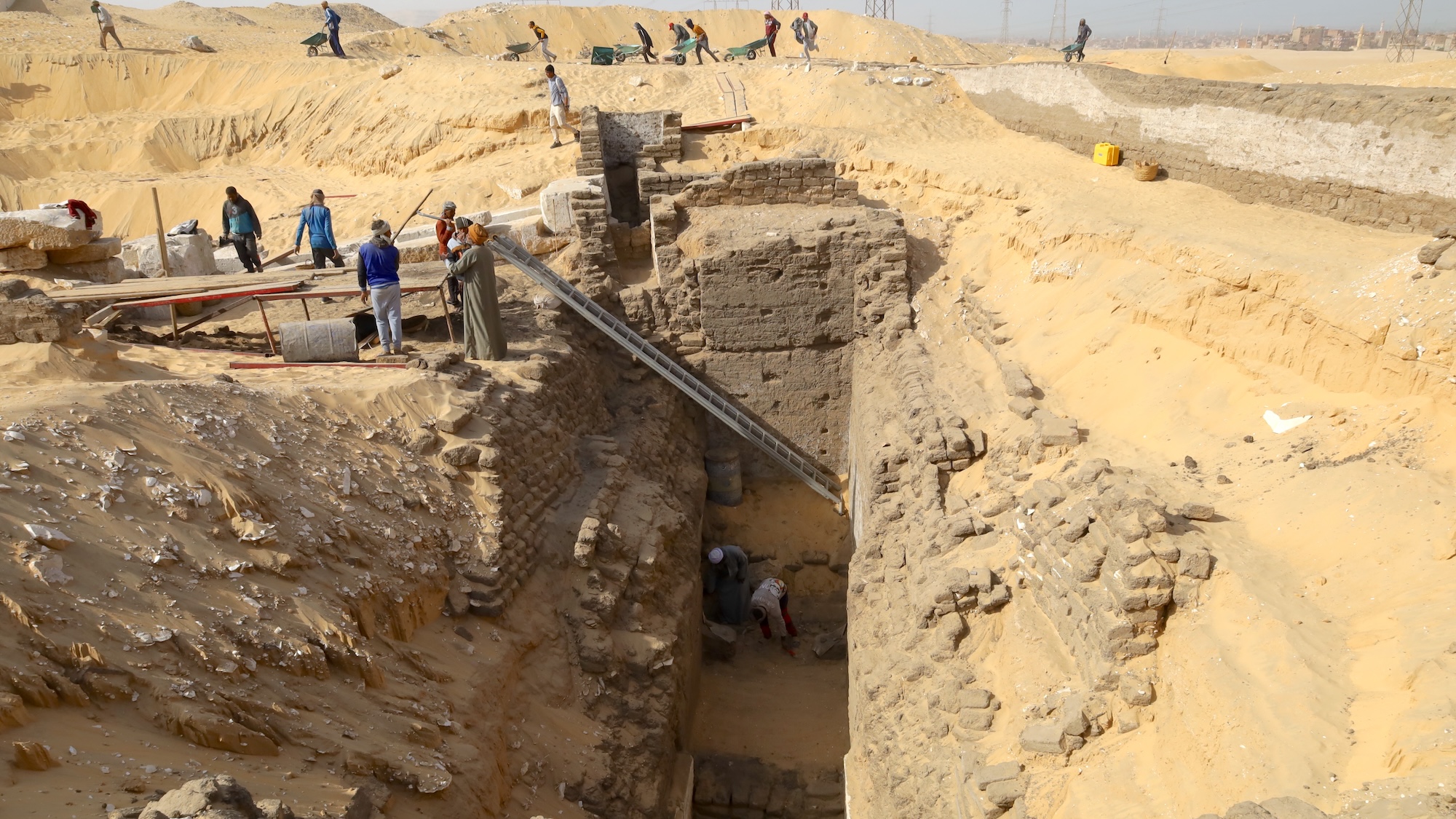
A global group of archaeologists has uncovered a large burial chamber that once belonged to one of
ancient Egypt
The first pharaohs of Egypt remain some of history’s most enigmatic figures. Nevertheless, the exact identity of this particular ruler is still unknown—along with numerous aspects of his ancient and vanished lineage.
The existence of an
The Abydos Dynasty was initially verified in 2014.
Following the discovery of King Seneb-Kay’s tomb by archaeologists, another more recent burial site was unearthed in January. This newly found crypt is believed to have been built sometime between 1640-1540 BCE, which corresponds with the Second Intermediate Period—a time marked by significant political and economic upheaval that briefly fragmented a united Egypt into several competing states.
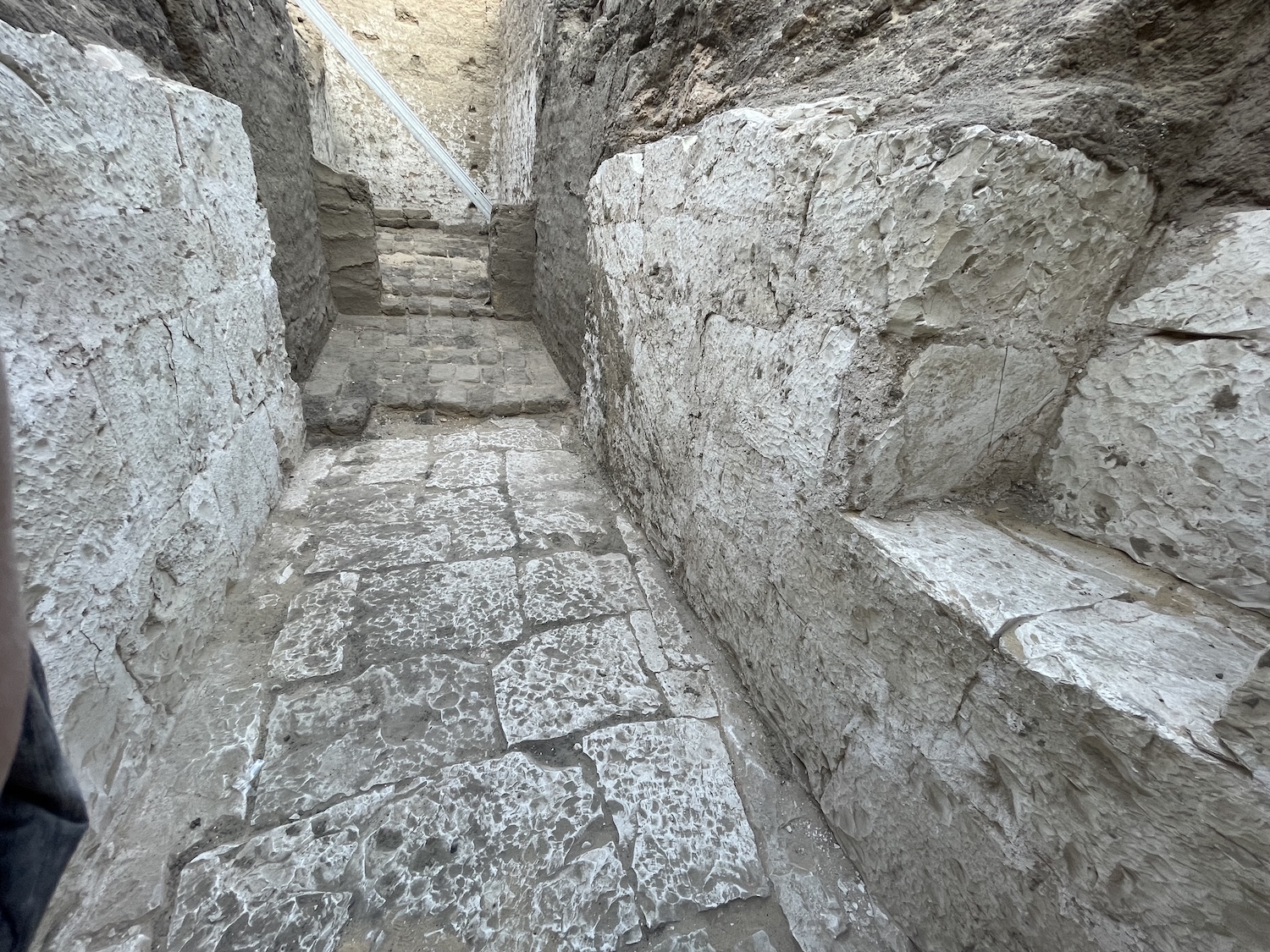
The tomb was discovered at the foot of a desert cliff, approximately 23 feet below Abydos, an ancient city in Egypt located around 300 miles south of Cairo and nearly six miles away from the Nile River.
Ancient Egyptian mythology
maintained that Abydos was the site where Osiris, the god of the underworld, was buried. Numerous historical records indicate this belief.
earliest pharaohs
Also opted to be buried within an extensive royal burial ground close to Mount Anubis.
The group of scholars from the Penn Museum in Philadelphia collaborating with archaeologists from the
Egyptian Department of Tourism and Ancient Treasures
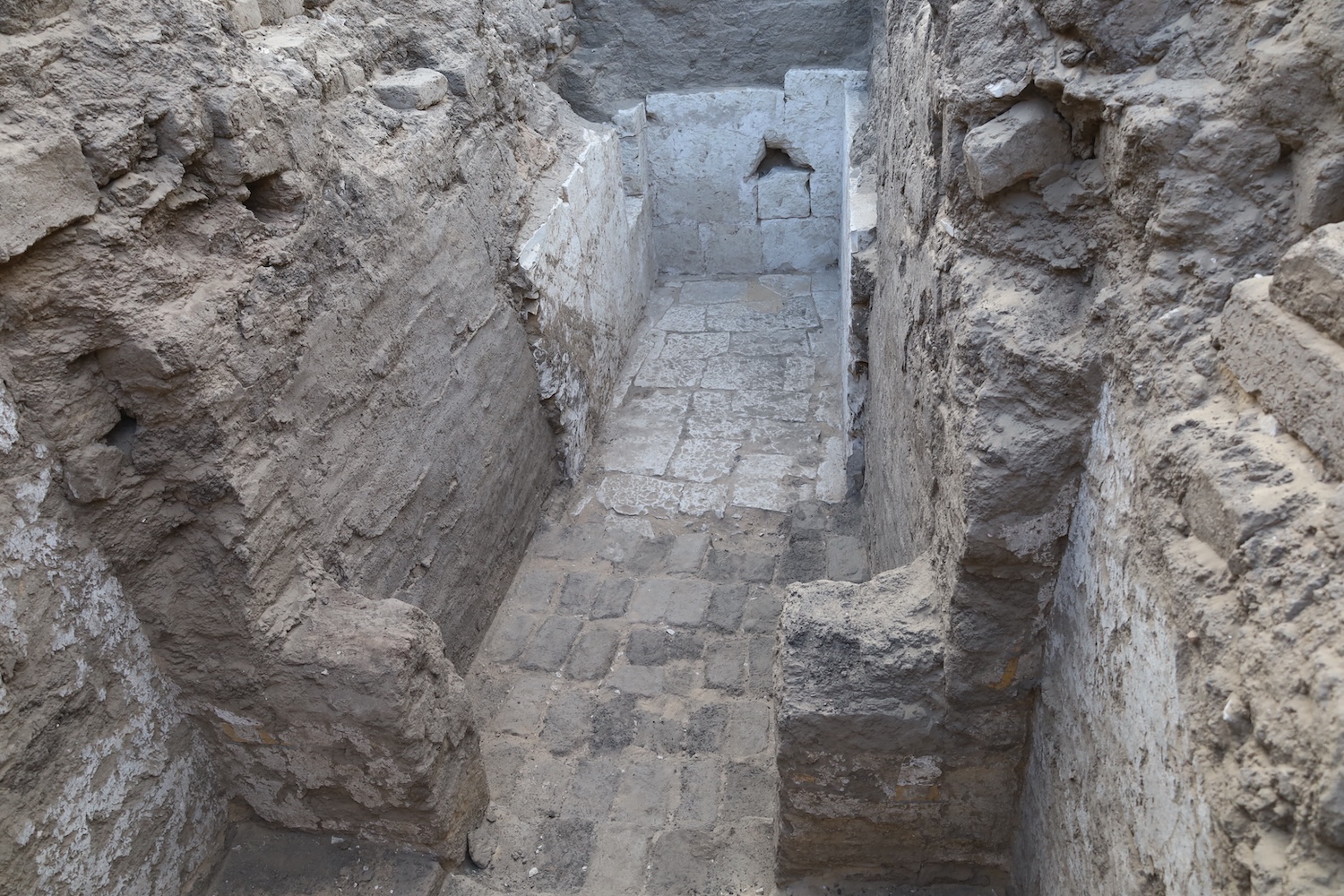
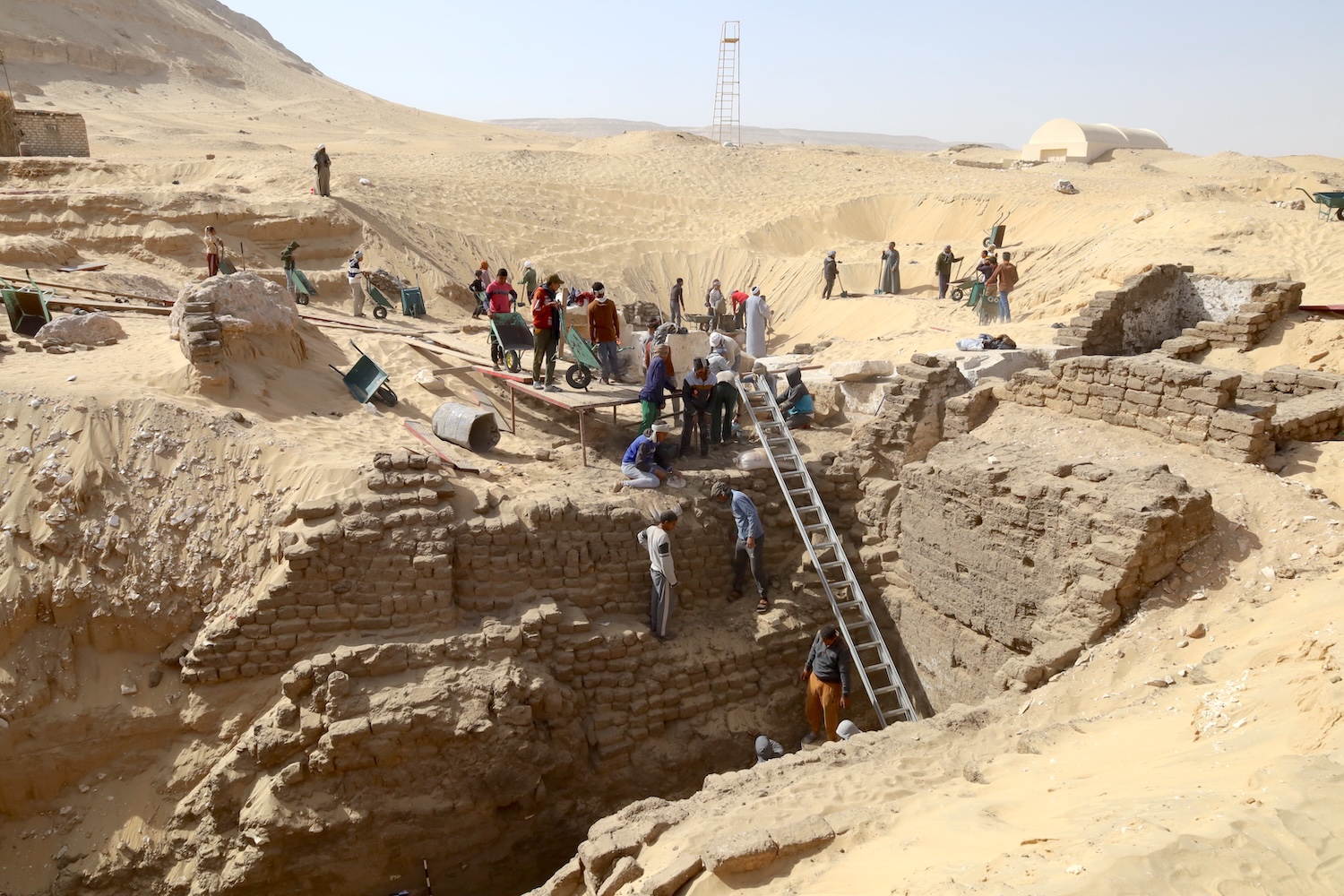
The researchers employed tools such as magnetometry, photogrammetry, and remote sensing to chart the extensive necropolis. Excavations conducted so far have uncovered structural and ornamental parallels with the tomb of Seneb-Kay, prompting scholars to hypothesize that this site might be linked to one of his predecessors. However, crucial information like the individual’s identity remains unknown to the archaeologists.]
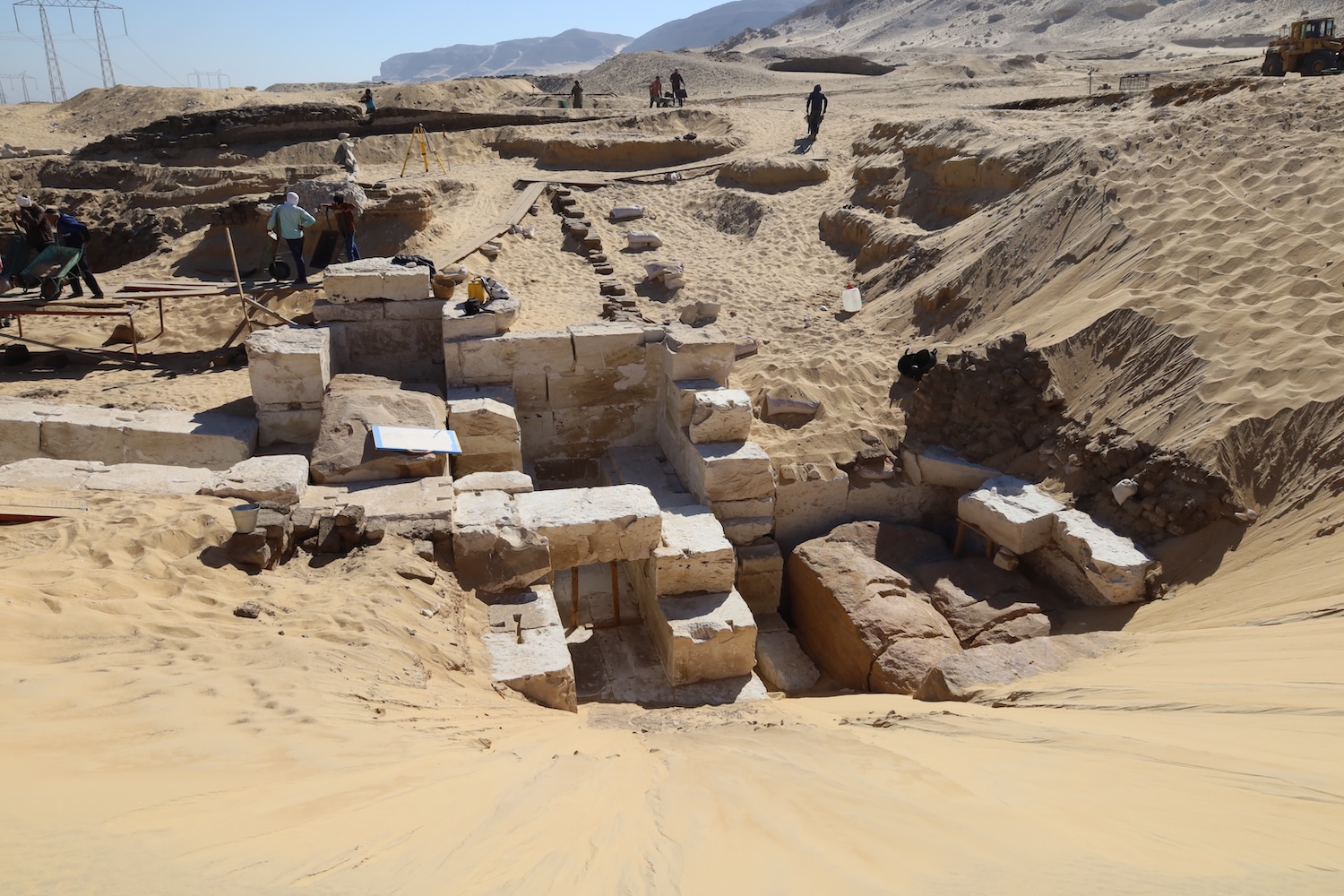
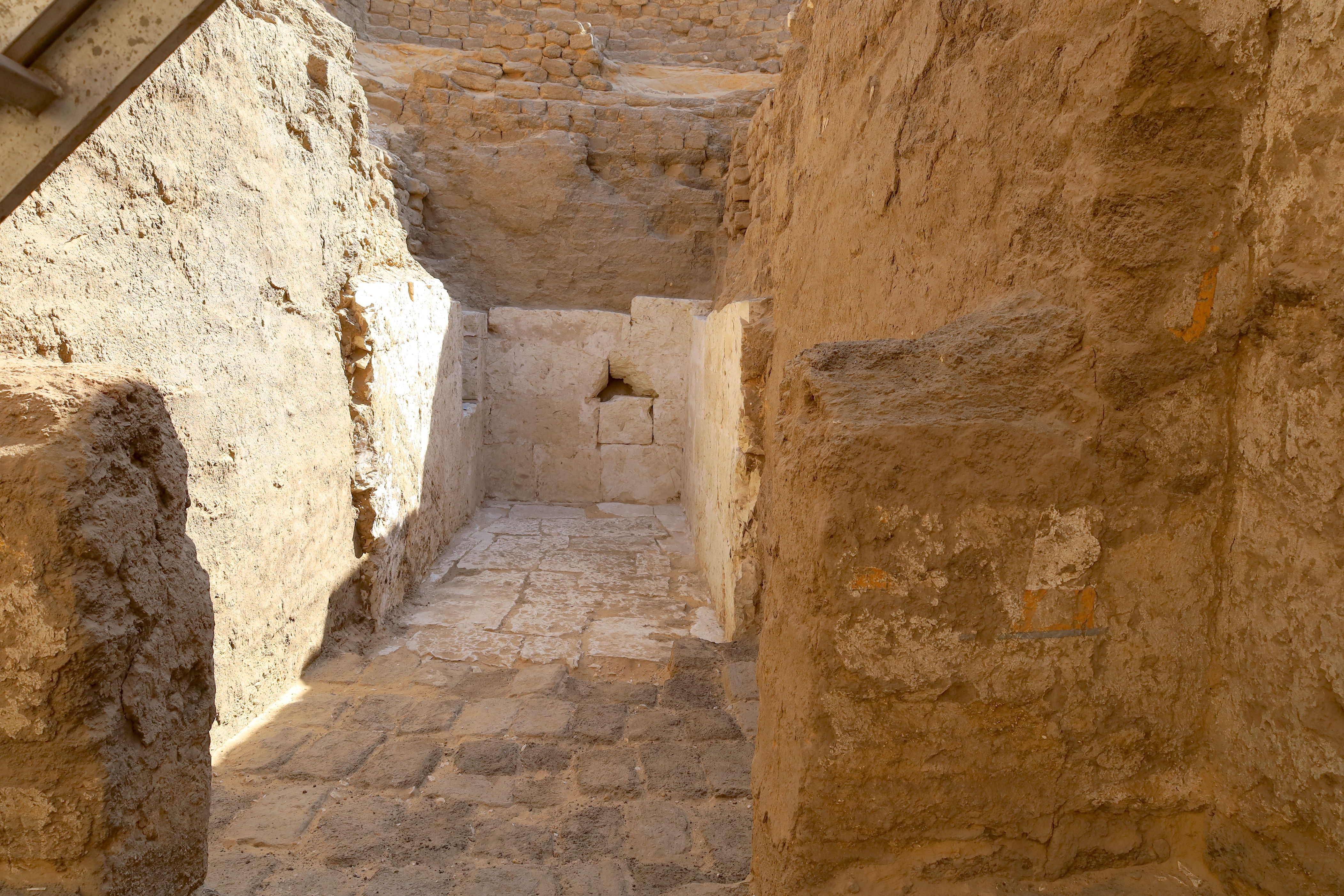
“The monarch’s name was initially inscribed in colored scenes on plaster-coated bricks that adorned the entryway to the limestone funerary chamber,” explains Josef Wegner, who curates the Egyptian Section at Penn Museum and is also an Egyptian archaeology professor at the University of Pennsylvania.
stated in the museum’s announcement
on March 27.
The painted images feature representations of the goddesses Isis and her sibling Nephthys, along with hieroglyphic inscriptions on golden stripes. Nevertheless, according to Wegner, it seems that old tomb raiders inflicted damage upon these writings when they ventured into the burial site.
Several possible candidates could be the owner of this tomb. Specifically, two monarchs named Senaiib and Paentjeni have constructed memorial sites within Abydos; however, their burial places have not been found yet. The information obtained from inside the tomb also verifies the presence of additional early Egyptian rulers in the nearby area.
The excavation efforts will proceed throughout 2025, mainly focusing on the newly designated zone at Anubis Mountain, which covers more than 100,000 square feet. This find, known as the Adybos, represents the second royal Egyptian burial site discovered this year. Archaeologists verified the position of another such tomb back in February.
Thutmose II’s crypt
, making it one of the most significant ancient Egyptian finds since the discovery of King Tutankhamun’s tomb in 1922.